
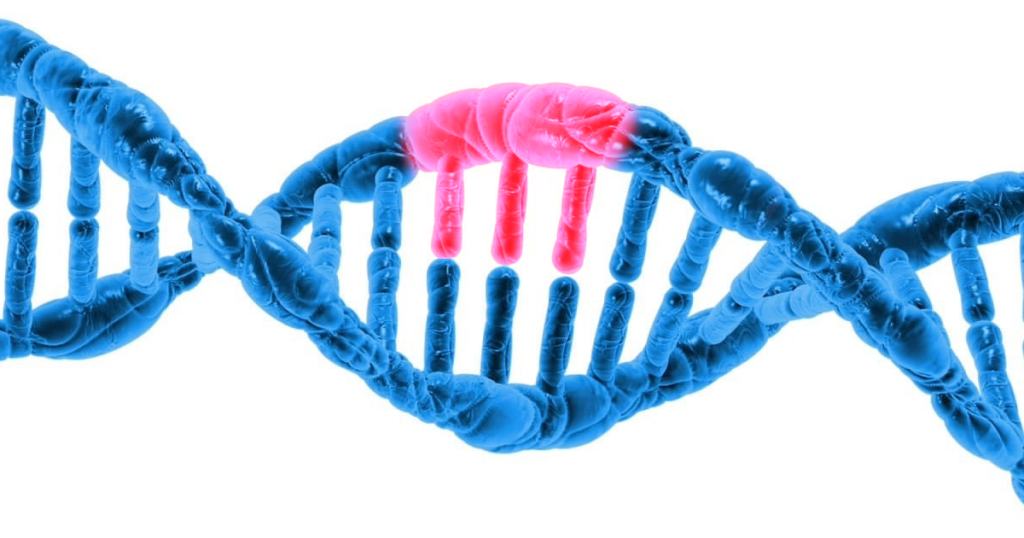
Growth hormone (GH) is beneficial and essential for normal, healthy growth. Yet, some sources have linked GH to the development of cancer and a lack of GH to a reduced risk of cancer. This article will examine some of the evidence that links GH to cancer, including the effect of high, low and normalised levels of GH on health.
What is Growth Hormone?
In both adults and children, GH regulates metabolism and body composition. GH acts directly on the GH receptors of various tissues and also by upregulating IGF-1 to:
- Stimulate lipolysis
- Regulate blood glucose levels
- Promote amino acid uptake
- Stimulate collagen synthesis
- Regenerate tissues and
- Promote longitudinal growth and sexual development in children
Growth hormone deficiency (GHD) is a condition where either too little GH is secreted, or the body does not respond normally to it. This results in stunted growth, delayed physical development, increased central adiposity, altered blood lipid levels, low energy, insulin resistance and anxiety.1 Clearly, this hormone plays an important role in several aspects of health. But how could a hormone that is essential for growth and development increase the risk of cancer? To answer this, we need to understand what cancer is and how it develops.
What is Cancer?
Cancer is often described as a disease that results from an accumulation of mutations in a certain set of genes in a cell. If the cell did not have these mutations, there would be no cancer, so this is one way of understanding the disease. These mutations often arise from chronic damage, which could come from the environment or an unhealthy way of living. We may also be genetically predisposed to developing certain types of cancer due to inherited mutations.2 A mutation in the BRCA gene, for example, is known to drastically increase the chances of developing breast cancer.
Several particular genes must be mutated to develop cancer, which is why people with mutations that increase their chances of developing cancer do not immediately develop the disease. Typically, genes that regulate certain processes need to become mutated for a cell to become cancerous. These genes regulate things such as:
- Cellular proliferation
- Replicative immortality
- Cell migration
- Cell death and repair
- Angiogenesis
But we can see examples where cancer can develop without all the mutations required for the sustained growth of cancer. One example of this is sometimes seen in childhood cancers. Foetuses and children are rapidly growing and their cells naturally possess several traits of cancer cells such as a high rate of proliferation, the ability to migrate and invade other tissues, as well as evade the immune system. This means that, during this stage of rapid growth, only a few more processes have to go wrong in order for cells to behave like cancer cells. There have been reports of rare cases in children where the disease has spontaneously gone into remission. It has been hypothesised that as children reach different stages of development, their cells may stop creating an environment favourable to the growth of cancer, leading to this spontaneous remission.3
GH, because it stimulates proliferation and differentiation, can promote a response that makes cells behave more like cancer cells. But does this mean that it can cause cancer?
Experimental Observations and Theoretical Mechanisms
If GH alone could cause cancer, this would mean that children would be at high risk of developing cancer. It would mean that exercise and a good night’s sleep could also increase our risk of developing cancer since these activities also stimulate GH release. This is not the case. However, there are some valid concerns about GH and cancer.
GH in the Promotion of Cancer
In people with pituitary tumours that result in the hypersecretion of GH, a higher risk of developing several types of cancer, including thyroid, gastric, urinary system, colorectal and anal cancers, has been seen.4
In people who have survived cancer as children, GH therapy can slightly increase the risk of developing de novo cancers as well as secondary malignant neoplasms.5 It is important to note that GH therapy for the treatment of GHD is not generally associated with an increased risk of cancer, but a history of cancer warrants continued monitoring if GH therapy is being received.
High GH levels are known to cause insulin resistance. People who develop insulin resistance have a dulled response to insulin, which their body compensates for by producing even more insulin. The result is a state of hyperinsulinemia and high blood glucose levels due to the lack of glucose uptake by tissues. Insulin resistance is a major component of obesity and type 2 diabetes, both of which carry an increased risk of cancer. The ability of insulin to increase cellular proliferation and enhance cell survival could theoretically contribute to the progression of cancer.6
GH and the resulting IGF-1 secretion increase cell survival. This benefit serves not only normal cells, but cancerous cells as well. Since several types of cancer cells have abnormally high numbers of receptors for GH and IGF-1, they are particularly receptive to the signalling of these hormones. These hormones protect cancer cells from apoptosis and also provide them with resistance to cancer treatments such as chemotherapy.7 This specific example does not suggest that GH promotes cancer, but that it may hamper the body’s ability to kill these types of cells and make cancer treatments less effective. This effect could promote the progression of disease if it is already present.
The Protective Effect of Low GH
In patients with acromegaly, reducing GH levels provides benefits such as relief from joint swelling, sweating and fatigue and an improvement in insulin sensitivity and cardiac function.8,9 Biochemical control of GH levels, unfortunately, has not been found to reduce cancer incidence in these patients.10 Vastly and chronically elevated GH levels are clearly linked to poor health outcomes, which can be partly counteracted by normalising GH levels. So, what happens when we drastically reduce GH levels?
If a person has lower levels of GH, presumably, the rapid division of cancer cells will be more difficult to maintain and the disease less sustainable. Findings so far would indicate that this is not entirely straightforward.
We can see examples of where a deficiency in GH or IGF-1, or resistance of the receptors to these hormones, can protect against tumour development and progression. Several animal models have demonstrated that lower GH and IGF-1 levels are linked to increased lifespan and healthspan, while an excess of these hormones has the opposite effect. There are, however, drawbacks to lowered GH/IGF-1 levels that have been observed in these models. Animals tended to have impaired learning and accelerated cartilage degeneration.11
This reduced risk of cancer and increased lifespan can also be seen in human populations with very specific forms of GHD. People in the Itabaianinha County of Brazil with isolated GHD (IGHD) type 1B have many of the phenotypes associated with untreated GHD, such as short stature and central obesity. They experience delayed puberty, yet at no cost to their fertility. These people also have doll-like faces and high-pitched voices. They appear to have some degree of protection from cancer and ageing and can live to be centenarians. This particular type of GHD is different to typical GHD, as the pituitary gland of these people functions as it should apart from its inability to respond to GHRH and, thus, release normal levels of GH.12
The Reality of Typical GHD
We can see benefits to lower GH levels in animals and humans with certain mutations, but people who live with typical, untreated GHD often have more visceral fat, unfavourable blood lipid profiles and diabetes, which can increase the risk of several other diseases including cardiovascular disease. GHD is not generally linked to better health outcomes or increased lifespan. Treatment of GHD with GH, however, is linked to a better quality of life and improved health.13
Despite increasing GH levels and the link between increased GH and cancer, GH therapy for GHD patients is not known to increase the risk of developing cancer. In fact, GH therapy can reduce the risk of cancer in these patients.14 It is important to note that these patients are given doses to normalise GH levels, not exceed normal physiological levels.
From these examples, we can see that lower levels of GH can, under very certain circumstances, offer some health benefits to humans, including protection from cancer. Although the evidence presented might appear to clearly link supraphysiological GH levels with an increase in cancer risk, there is an exception to this trend.
GH Secretagogues and Cancer
Growth hormone-releasing hormone (GHRH) promotes the release of GH from the pituitary, raising GH levels. GHRH agonists are compounds that bind to GHRH receptors, stimulating the release of GH. In vitro, GHRH agonists promote the viability and growth of cancer cells, but in vivo, they do not. In animal models, GHRH agonists have been found to inhibit tumour growth by 48% to 68%.15 In these experiments, the GHRH receptors became downregulated due to prolonged stimulation by the ligand. This also suppresses IGF-1 secretion and growth-promoting signalling in cancer cells to a similar extent to GHRH antagonists. Either a similar effect or no effect is seen from other GH secretagogues.16,17
One might assume that people with endogenous acromegaly would also become desensitised to GH due to the prolonged, supraphysiological levels they are exposed to, but it would appear that GH-secreting adenomas are incapable of becoming desensitised to GHRH.18
Conclusion
Although supraphysiological GH levels in those with pituitary tumours can lead to an increased risk of cancer, GH therapy is not known to increase cancer risk but to reduce it in GHD patients instead. There is evidence which would suggest that lower GH levels due to genetics offer some degree of protection from cancer in animals and some humans. In humans, low GH levels can confer improved healthspan and lifespan in a way that bears resemblance to animal models with low GH. This is seen in the case of the people of Itabaianinha, however, this is an exceptional example of GH deficiency and most other cases of GHD do not experience positive health outcomes if left untreated. Interestingly, GH secretagogues, when regularly administered for prolonged periods, are not known to cause or promote cancer and instead either inhibit tumour growth or have no effect. Although GH secretagogues promote the release of GH, they counteract the growth of cancer by desensitising the receptors that signal growth. In those with acromegaly, GH levels are chronically and abnormally high and we can see an increase in the development of various types of cancers in these patients. This evidence, when put together, would suggest that:
- Low GH levels do not benefit the average person, but offer some advantages to those with specific genetic mutations, including a lowered risk of cancer.
- GH therapy to normalise GH levels is beneficial to those who have GHD, potentially reducing the risk of cancer, while lowering GH levels can benefit those with acromegaly in several ways but may not necessarily reduce cancer risk.
- High levels of GH are strongly linked to an increased cancer risk, which is thought to be driven by the growth-promoting and protective action of GH towards cancer cells.
References
- Reed ML, Merriam GR, Kargi AY. Adult Growth Hormone Deficiency – Benefits, Side Effects, and Risks of Growth Hormone Replacement. Front Endocrinol. 2013;4:64. doi:10.3389/fendo.2013.00064
- Hodgson S. Mechanisms of inherited cancer susceptibility. J Zhejiang Univ Sci B. 2008;9(1):1-4. doi:10.1631/jzus.B073001
- Filbin M, Monje M. Developmental origins and emerging therapeutic opportunities for childhood cancer. Nat Med. 2019;25(3):367-376. doi:10.1038/s41591-019-0383-9
- Xiao Z, Xiao P, Wang Y, Fang C, Li Y. Risk of cancer in acromegaly patients: An updated meta-analysis and systematic review. Galli A, ed. PLOS ONE. 2023;18(11):e0285335. doi:10.1371/journal.pone.0285335
- Chae HW, Kim DH, Kim HS. Growth hormone treatment and risk of malignancy. Korean J Pediatr. 2015;58(2):41. doi:10.3345/kjp.2015.58.2.41
- Szablewski L. Insulin Resistance: The Increased Risk of Cancers. Curr Oncol. 2024;31(2):998-1027. doi:10.3390/curroncol31020075
- Basu R, Kopchick JJ. GH and IGF1 in cancer therapy resistance. Endocr Relat Cancer. 2023;30(9):e220414. doi:10.1530/ERC-22-0414
- Pivonello R, Galderisi M, Auriemma RS, et al. Treatment with growth hormone receptor antagonist in acromegaly: effect on cardiac structure and performance. J Clin Endocrinol Metab. 2007;92(2):476-482. doi:10.1210/jc.2006-1587
- Medical Consequences of Long-term Treatment of Acromegaly. 1. Published online June 6, 2011. Accessed October 20, 2026. https://touchendocrinology.com/pituitary/journal-articles/medical-consequences-of-long-term-treatment-of-acromegaly/
- Fleseriu M, Melmed S. Cancer risk in acromegaly: reassessing the evidence and impact of biochemical control. J Clin Endocrinol Metab. 2026;111(10):e2318-e2319. doi:10.1210/clinem/dgag230
- Sonntag WE, Carter CS, Ikeno Y, et al. Adult-onset growth hormone and insulin-like growth factor I deficiency reduces neoplastic disease, modifies age-related pathology, and increases life span. Endocrinology. 2005;146(7):2920-2932. doi:10.1210/en.2005-0058
- Aguiar-Oliveira MH, Bartke A. Growth Hormone Deficiency: Health and Longevity. Endocr Rev. 2018;40(2):575-601. doi:10.1210/er.2018-00216
- Reed ML, Merriam GR, Kargi AY. Adult Growth Hormone Deficiency – Benefits, Side Effects, and Risks of Growth Hormone Replacement. Front Endocrinol. 2013;4:64. doi:10.3389/fendo.2013.00064
- Li Z, Zhou Q, Li Y, Fu J, Huang X, Shen L. Growth hormone replacement therapy reduces risk of cancer in adult with growth hormone deficiency: A meta-analysis. Oncotarget. 2016;7(49):81862-81869. doi:10.18632/oncotarget.13251
- Schally AV, Wang H, He J, et al. Agonists of growth hormone-releasing hormone (GHRH) inhibit human experimental cancers in vivo by down-regulating receptors for GHRH. Proc Natl Acad Sci. 2018;115(47):12028-12033. doi:10.1073/pnas.1813375115
- Northrup R, Kuroda K, Duus EM, et al. Effect of ghrelin and anamorelin (ONO-7643), a selective ghrelin receptor agonist, on tumor growth in a lung cancer mouse xenograft model. Support Care Cancer. 2013;21(9):2409-2415. doi:10.1007/s00520-013-1800-0
- Sever S, White DL, Garcia JM. Is there an effect of ghrelin/ghrelin analogs on cancer? A systematic review. Endocr Relat Cancer. 2016;23(9):R393-R409. doi:10.1530/ERC-16-0130
- Spada A, Elahi FR, Arosio M, et al. Lack of desensitization of adenomatous somatotrophs to growth-hormone releasing hormone in acromegaly. J Clin Endocrinol Metab. 1987;64(3):585-591. doi:10.1210/jcem-64-3-585