Free Tracked Shipping

The Science Behind the Benefits of GHK-Cu

GHK-Cu (glycyl-l-histidyl-l-lysine) has demonstrated remarkable regenerative capabilities across multiple physiological systems as a result of the numerous studies conducted on the peptide. The benefits of GHK-Cu alone are enough, but it’s also a peptide commonly found in other multi-peptide blends, often for its delicate yet healing properties.  Copper Tripeptide-1, also known as GHK-Cu, is a […]

Read more The Science Behind the Benefits of GHK-Cu

GW0742: A PPAR-β/δ Agonist with Multisystem Potential

Peroxisome proliferator-activated receptor β/δ (PPAR-β/δ) agonists are a class of compounds that specifically target PPAR-β/δ receptors, activating them. These receptors regulate the expression of multiple genes involved in metabolism, inflammation, and cellular function, so artificially manipulating their activation may be useful for therapeutic purposes. GW0742 is one such PPAR-β/δ agonist that has high specificity for […]

Read more GW0742: A PPAR-β/δ Agonist with Multisystem Potential

What Are The Benefits of TB-500?

The growing popularity of peptides can be attributed to an increase in people seeking an understanding of the body’s natural processes and finding methods to treat their body, or injuries in particular, in line with the body’s own existing mechanisms. Among those peptides is TB-500. TB-500 is a lab-made version of Thymosin Beta-4, which is causing […]

Read more What Are The Benefits of TB-500?

HCG as a Medicine for Men and Women

Human chorionic gonadotropin (HCG) is a hormone best known for its role in pregnancy. It is produced primarily by the placenta and sends essential signals that support implantation, sustain pregnancy, and promote healthy foetal development. While this highlights how it could be important for women struggling to conceive or carry a pregnancy to term, HCG’s […]

Read more HCG as a Medicine for Men and Women

What’s the Difference Between CJC-1295 DAC and No DAC

CJC-1295 is a lab-engineered peptide that mimics growth hormone-releasing hormone, called GHRH. It has caught researchers’ attention for its ability to boost growth hormone (GH) production. This peptide exists in two main types: one includes the Drug Affinity Complex (DAC), and the other does not (No DAC). It’s essential to understand the differences between the […]

Read more What’s the Difference Between CJC-1295 DAC and No DAC

Growth Hormone Peptides; A Comparison of Tesamorelin, Sermorelin and Ipamorelin

Growth hormone peptides are gaining attention in alternative areas such as being used for anti-ageing treatments, boosting performance, and addressing specific health issues.  Tesamorelin, Sermorelin, and Ipamorelin are the more popular growth hormone peptides; despite being similar, each one offers its own set of advantages and considerations. We’re breaking down the difference and simplifying all […]

Read more Growth Hormone Peptides; A Comparison of Tesamorelin, Sermorelin and Ipamorelin

The Science Behind IGF-1 LR3: What The Studies Show

IGF-1 LR3 (Long Arginine 3 Insulin-like Growth Factor-1) is a synthetic analogue of the endogenous hormone IGF-1. The modification to this peptide not only increases its stability but also enhances its activity. IGF-1 LR3 binds to the IGF-1 receptor, just as natural IGF-1 would, so it promotes the same kinds of activities, including enhancing cell […]

Read more The Science Behind IGF-1 LR3: What The Studies Show

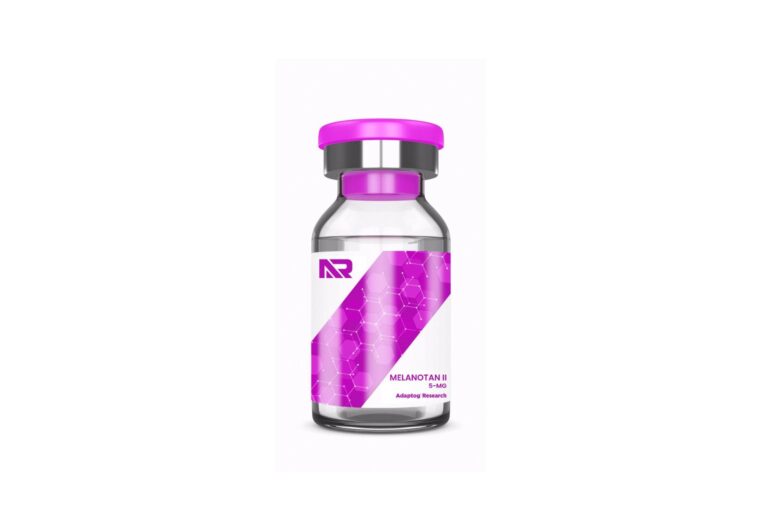
The Benefits of Melanotan 2

Melanotan 2 (MT-II) is part of the tanning peptide family and is already popular among bodybuilders. However, there are some additional benefits of Melanotan 2, which scientists are keen to research further.  Melanotan 2 is a synthetic peptide (a-MSH) and interacts with the melanocortin receptors throughout our body, stimulating physiological responses. We explore the broader […]

Read more The Benefits of Melanotan 2

PT141 as a Treatment for Sexual Dysfunction in Men and Women

PT141, also known as bremelanotide or Vyleesi®, is a synthetic peptide that bears structural similarity to alpha melanocyte-stimulating hormone (α-MSH). Just like α-MSH, PT141 stimulates melanocortin receptors. There are 5 melanocortin receptors, MC1R-MC5R, each of which is associated with a set of activities. PT141 works primarily by activating the MC4 receptor, which not only affects […]

Read more PT141 as a Treatment for Sexual Dysfunction in Men and Women